Why Vehicular Crimes Lawyers Are Seeing a Rise in Complex Cases
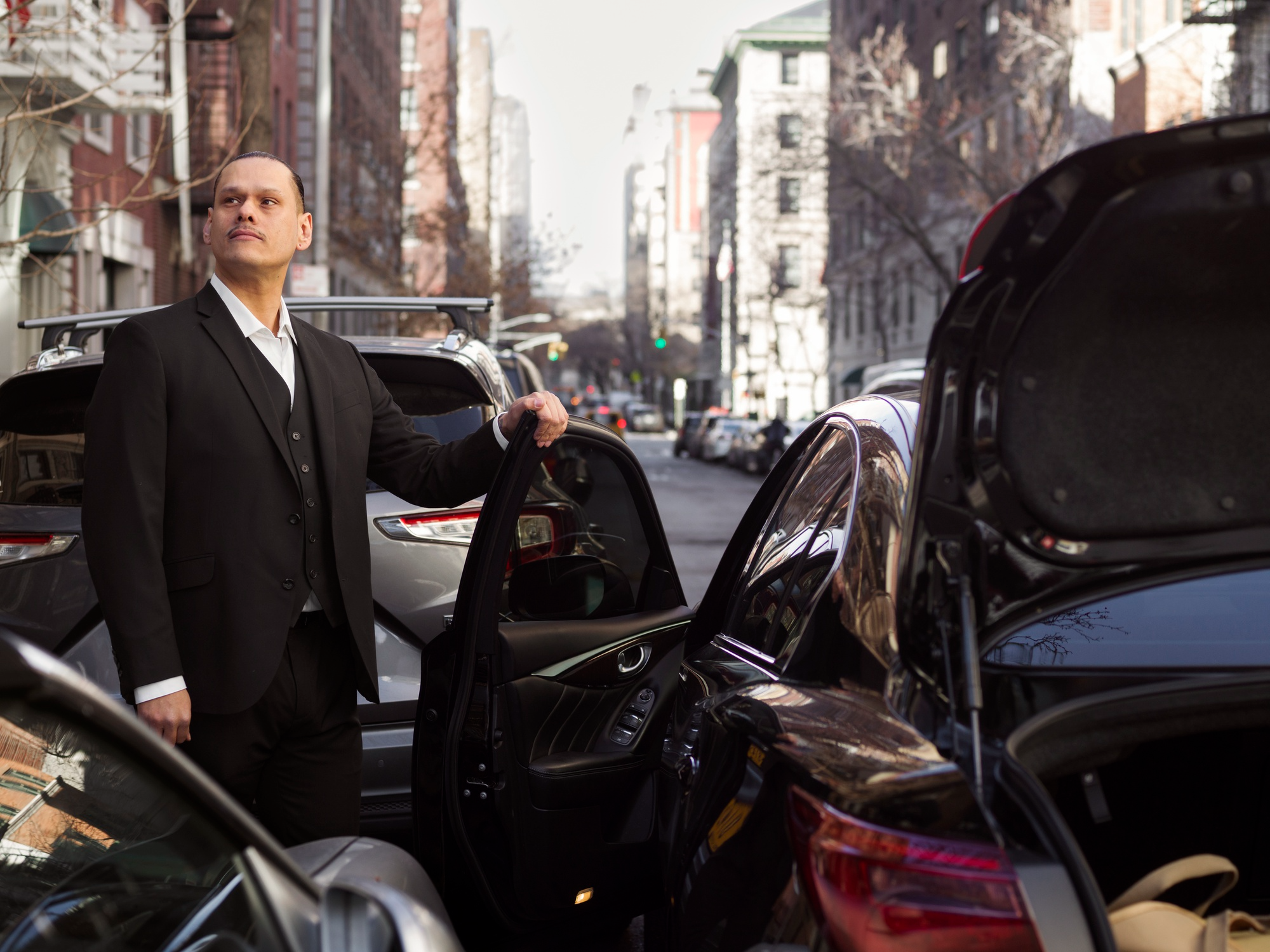
Traffic laws shift faster than most people notice. Cameras watch more corners. Sensors sit across highways. Digital logs track every small detail. These shifts reshape how cases unfold. We see it daily at the Criminal Defense Office of Ricky Shah. Even simple matters now hold layers of tech records and human factors. Our team studies every layer. A rise in tough case patterns has turned routine work into heavier review. One line of data can change a full defense plan.
A key phrase often searched online, Vehicular Crimes lawyers in NYC, reflects how tough the field has grown. New tools shape what officers record. Courts accept more forms of proof. Drivers face more detailed checks. All of this fuels tougher case threads that pull deeper than ever before.
We see the same trend across different types of charges. Speed logs from cars. Phone activity records. Street sensors tracking flow. Every piece adds more weight. It forces firms like ours to look at each second of a scene. Once simple reports now spark weeks of review.
Human Behavior Creates Tough Twists
Data helps the court, but human behavior still shapes many tough turns. People react fast when a car feels out of control. Stress raises pulse and shifts focus. Small choices lead to larger outcomes. Officers can misread reactions. Witnesses often recall only rough shapes and sounds.
We study these moments with care. A sharp turn may look reckless, yet it could be self-preservation. A short pause may look like fear when it is only shock. Our team talks through each second of human action during a case review. These moments shape the heart of the defense. Without careful review, small details can shift a verdict.
The rise in tough cases also comes from growth in dense traffic zones. More drivers. More horns. More closed gaps. Crowded streets create confusion during key moments. One move can set off a chain. It takes careful review to see how stress spreads across a scene.
Officers Rely More On Split Second Impressions
Traffic stops can unfold fast. Officers must act without pause. Yet rapid judgment fuels many errors. A quick guess about behavior or speed may not match what tech shows later. When cases grow tough, we examine each step the officer took. Lighting. Angle. Timing. Distractions. Training habits.
A common trend we see is heavier trust placed on early assumptions before tech files even load. Once an officer forms a theory, every later choice may follow that track. Our firm often shows how early assumptions break apart under closer review. In tough cases, this becomes a major turning point.
More states add rules that push officers to act sooner. This often results in gaps. Missing steps. Rushed forms. All of these shape stronger defense angles. Yet they also add more work on our end. More steps to check. More notes to read. More proof to test.
Phones Add Layers That Never Existed Before
Phone logs shape more cases each year. Officers will check time stamps, screen use and paired car systems. Even a small tap can become part of a case file. False positives happen often. A phone may shift in a seat and light up. A car may sync without any action from the driver.
We study each piece. Phone tools can be wrong. They often misread signals. We push for strict review of how those logs were collected. More parts mean more chances for unfair conclusions.
Courts Expect More Detail Than Ever Before
Courts want more proof in every case. That means more tech files. More officer notes. More witness clips. More expert reports. Each piece carries weight.
Our firm often brings several experts to review tech or scene files. Once a simple set of pages can swell to hundreds. These shifts make cases harder. Yet they also offer more chances to show weak logic, flawed scans or rushed steps.
More detail also means more pressure on drivers facing charges. A single misread frame may place blame. We fight to ensure each piece meets clear standards. Anything less creates risk.
Media Influence Shapes How Cases Unfold
Reports about traffic cases often spread fast. Podcasts. Local news. Social feeds. Short clips can make a driver look guilty even before court sets a date. Public pressure can affect officers and prosecutors.
We counter that pressure with careful review and strong facts. We also remind courts that media clips rarely show full context. As public voice grows louder, tough cases grow even harder. More effort is needed to protect fairness.
A phrase often seen online, Vehicular Crimes Attorneys in NYC, shows how often people search for help during tense moments. Those searches reflect real fear and real need for skilled review. Cases often reach us after days of stress sparked by online noise.
Why Our Firm Studies Every Detail With Care
At our office we focus on human fairness. Cases grow heavier each year, but our care grows with them. Our team studies each clip, log and note. We talk through scenes. We check angles. We bring calm to tense moments.
People look for the Vehicular Crime lawyers in NYC because they know every detail can shift an outcome. We treat each case as a person’s life, not a stack of files. Our review covers tech and human choices. We push for a full picture that shows truth and context.
A rise in tough cases does not scare us. It pushes us to sharpen our process. Each new layer teaches us more. Each challenge shows our strength.
FAQs
Why are more traffic cases growing tough today?
New tech creates huge data sets. Officers rely on more devices. Courts expect more detail. All of these pieces add weight.
Do digital car logs always tell the full truth?
No. Some logs misread signals or create gaps. Car tech helps, but it is not perfect. Our team checks every log for errors.
Are street cameras always right?
Cameras miss key angles. Shadows or glare can twist what they record. We study each clip with care.
Do phone logs always show real use?
Phone logs can misread taps or movements. They must be checked with strict care before they shape a case.